Common Garage Door Problems and Solutions in SC
- Taras Holub
- Dec 6, 2025
- 4 min read

Garage doors are essential components of our homes, providing security and convenience. However, they can also be a source of frustration when they malfunction. In South Carolina, where humidity and weather fluctuations can impact mechanical systems, understanding common garage door problems and their solutions is crucial for homeowners. This blog post will explore frequent issues, practical solutions, and tips to keep your garage door functioning smoothly.

Understanding Garage Door Components
Before diving into specific problems, it's important to understand the main components of a garage door system. This knowledge will help you identify issues more effectively.
Key Components
Garage Door Opener: The motorized device that opens and closes the door.
Tracks: Metal rails that guide the door as it moves up and down.
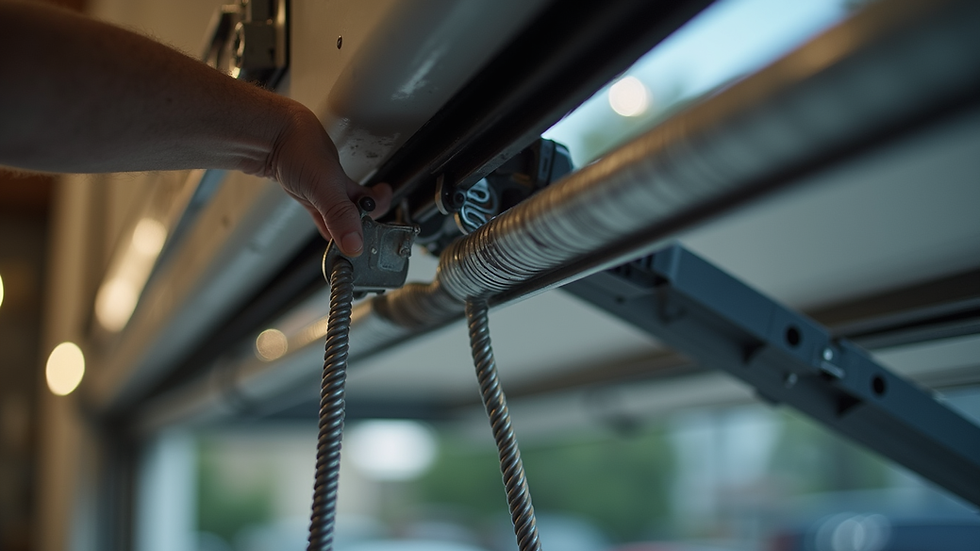
Springs: Tension springs help lift the door, while extension springs provide additional support.
Rollers: Small wheels that allow the door to move smoothly along the tracks.
Sensors: Safety devices that prevent the door from closing on objects or people.
Common Garage Door Problems
1. The Door Won't Open or Close
One of the most frustrating issues is when your garage door refuses to budge. This problem can stem from various causes:
Power Issues: Ensure the opener is plugged in and the circuit breaker is not tripped.
Remote Control Problems: Check the batteries in your remote. If it still doesn’t work, try using the wall switch.
Obstructions: Inspect the tracks for debris or objects that may be blocking the door's path.
Solution: Start by checking the power supply and remote control. If the door still won’t operate, look for obstructions in the tracks. Clear any debris and test the door again.
2. Noisy Operation
A garage door that makes loud noises can be annoying and may indicate underlying issues. Common causes include:
Worn Rollers: Old or damaged rollers can create grinding noises.
Loose Hardware: Bolts and screws may become loose over time, causing rattling sounds.
Lack of Lubrication: Dry components can lead to squeaking or grinding noises.
Solution: Inspect the rollers and replace any that are worn. Tighten loose hardware and apply lubricant to moving parts to reduce noise.
3. The Door Is Off Its Tracks
If your garage door comes off its tracks, it can be dangerous and prevent the door from functioning properly. This issue can occur due to:
Worn Rollers: Old rollers may not fit properly in the tracks.
Impact: Hitting the door with a vehicle or heavy object can dislodge it.
Improper Installation: If the door was not installed correctly, it may come off the tracks more easily.
Solution: If the door is slightly off, you may be able to lift it back onto the tracks. For significant misalignment, it’s best to call a professional to avoid injury.
4. The Door Reverses Before Closing
If your garage door starts to close but then reverses, it can be frustrating. This issue is often caused by:
Obstructed Sensors: The safety sensors may be blocked by dirt or debris.
Misaligned Sensors: If the sensors are not aligned properly, they may not function correctly.
Worn Springs: If the springs are worn, they may not provide enough tension for the door to close properly.
Solution: Check the sensors for obstructions and clean them if necessary. Ensure they are aligned correctly. If the problem persists, inspect the springs for wear.
5. The Door Is Stuck
A garage door that gets stuck can be a sign of several issues:
Weather Conditions: Humidity and temperature changes can cause the door to swell or warp.
Track Issues: Dirt or debris in the tracks can impede movement.
Spring Problems: Worn or broken springs can prevent the door from moving.
Solution: Inspect the tracks for debris and clean them. If the door is swollen due to humidity, consider using a dehumidifier in the garage. For spring issues, consult a professional for replacement.
Preventive Maintenance Tips
To avoid common garage door problems, regular maintenance is essential. Here are some tips to keep your garage door in top shape:
Lubricate Moving Parts: Use a silicone-based lubricant on rollers, hinges, and tracks every six months.
Inspect Springs and Cables: Regularly check for signs of wear and replace them as needed.
Test Safety Features: Monthly, test the safety sensors and auto-reverse feature to ensure they are functioning correctly.
Clean the Tracks: Keep the tracks free of dirt and debris to ensure smooth operation.
When to Call a Professional
While many garage door issues can be resolved with DIY solutions, some problems require professional assistance. Consider calling a garage door technician if:
You notice broken springs or cables.
The door is significantly off its tracks.
You are unsure about the cause of the problem.
Conclusion
Understanding common garage door problems and their solutions can save you time, money, and frustration. Regular maintenance is key to ensuring your garage door operates smoothly and safely. If you encounter issues beyond your expertise, don’t hesitate to reach out to a professional. Keeping your garage door in good condition not only enhances your home's security but also adds to its overall value. Take action today to ensure your garage door remains a reliable part of your home.


Comments